Content
It can also be simply because they don’t want to be directly exposed to the clearing house. As a result, self clearing fewer transactions need to be settled and the overall trading exposure is reduced, which lowers capital requirements and mitigates risk. Clearing brokers act as an intermediary between those placing trades and the exchange from which the trade will be sourced.

What are the cons of using a freight forwarder?
In particular, distinguishing between a clearing broker and a prime broker can make a significant difference in the success of your financial activities. In this blog post, we will provide a comprehensive definition of a clearing broker, explore their role in the market, and compare them to prime brokers to clarify the distinctions between the two. A prime broker is a selection of services that investment banks, wealth management companies, and other major financial bodies offer to hedge funds and other Yield Farming clients. This section will discuss some of these services and how they can help hedge funds and other clients of these institutes.
Freight In vs. Freight Out: Understanding Key Differences in Shipping Costs
Like https://www.xcritical.com/ the minimum revenue requirement, the minimum deposit was sometimes linked to which services we would utilize through the clearing firm. A freight broker’s job is relatively simple – they connect shippers with individuals who will haul the freight (carriers). In Shipping, we hear a lot about freight brokers and freight forwarders, but what exactly is the difference between them?
The Importance of Custody in Clearing and Custody Services
At Finance Strategists, we partner with financial experts to ensure the accuracy of our financial content. Finance Strategists has an advertising relationship with some of the companies included on this website. We may earn a commission when you click on a link or make a purchase through the links on our site. There may also be increased competition from new entrants, such as fintech companies and decentralized clearing solutions.
When traders borrow shares of a stock in order to short it, they are effectively borrowing from a clearing firm. This works because the clearing firm technically holds a vast number of the stock certificates for a given stock, and so it is able to seamlessly process the transaction internally. In the event of stocks that are relatively not easy to borrow, brokerages may reach out to multiple clearing firms in order to ask which ones have volume of the stock in question that can be reserved for borrowing. Executing brokers place buy and sell orders at the best available prices in the market and often rely on third-party clearing brokers or general clearing members for post-trade processing. Additionally, the clearing broker often provides additional services beyond just clearing.
Information provided by SpeedTrader on its Twitter, Facebook or Blog pages is for informational and educational purposes only and is not intended as a recommendation of any particular security, transaction or strategy. Commentary and opinions expressed are those of the author/speaker and not necessarily those of SpeedTrader. SpeedTrader does not guarantee the accuracy of, or endorse, the statements of any third party, including guest speakers or authors of commentary or news articles. All information regarding the likelihood of potential future investment outcomes are hypothetical.
The role of the largest clearing firms in maintaining custody is critical to the financial industry’s smooth functioning. Clearing firms must follow a strict set of rules and regulations in order to engage in transactions and have the clearing house as the intermediary. The clearing house lies in the middle of the market, keeping track of all transactions made, matching buyers to sellers, fixed leg to floating leg. This way, if one of the clearing firms defaults on its obligations, the clearing house covers it. A clearing firm, or clearing broker, is a financial entity responsible for clearing, settling, and handling trades. Clearing firms are considered the backbone of financial markets, as these markets owe their reliability and efficiency to them.

The role of a clearing firm is to ensure the smooth settlement of trades by verifying the identity and creditworthiness of both parties, managing the transfer of securities and funds, and providing risk management services. They are financial intermediaries that provide essential services to financial markets, including trade confirmation and matching, risk management and collateral, and settlement and delivery. Fully Disclosed vs. Omnibus — the introducing broker may disclose the identity of its customers to the clearing broker, in which case the clearing broker can deal directly with the end investor’s custodian.
Aside from clearing brokers, other types of broker-dealers do not have the authority to clear transactions. Therefore, other broker-dealers will generally have one clearing broker with whom they work to clear their trades. In this case, the introducing broker will send their clients’ cash and securities to a clearing broker to clear the trade, and the clearing broker will also maintain the customers’ accounts. Clearing agreements, also called carrying agreements, are contracts between introducing or executing firms and clearing firms.
- Their main job is to facilitate trade settlements by matching buy and sell orders together.
- As such, the financial health of the clearing house is an important consideration for firms when they are contemplating becoming clearing members.
- These relationships can pose potential risks, such as conflicts of interest or systemic implications for the broader financial system if a clearing firm were to fail or experience financial difficulties.
- Clearing firms must also navigate an evolving regulatory landscape, which includes new and changing regulations and standards related to areas such as margin requirements, reporting, and risk management.
Some broker dealers will self-clear which means they are also a clearing firm and thus won’t need an independent clearing firm. The industries most recognized and largest clearing firms are Pershing and Fidelity’s National Financial Services. There are several factors that need to be considered should an Introducing Broker Dealer (IBD) want to become a Clearing Broker Dealer (CBD).
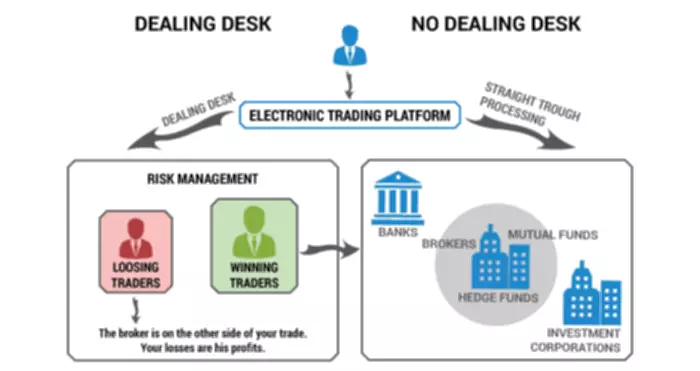
Understanding the distinctions between these two types of brokers is essential for individuals and businesses seeking to optimize their financial activities and choose the most appropriate intermediary for their specific needs. One of the most critical concierge services offered by prime brokers is risk and performance analytics. These brokers usually partner with risk management companies to provide hedge funds with daily risk and performance reports. Designed to facilitate large, complex trading operations, a prime brokerage consists of various services that large financial bodies, like big investment banks, offer clients, such as hedge funds.
Clearing firms are subject to strict regulatory requirements and must maintain high levels of security to protect against cyber threats and other risks. When it comes to security, both self-clearing and outsourcing to a clearing firm can offer robust protection for financial institutions and their clients. This allows you to focus on your core business activities, such as executing trades and providing financial services to your clients.
However, it’s important to note that regulatory changes have made it more difficult for smaller clearing firms to compete with larger ones. They may go to C, a firm that also has access to the clearing house, which will act as the clearing firm for counterparty A. These clients do not have access to the clearing house, either because they do not meet the requirements or because the costs are not worthwhile.
This means they oversee the delivery of assets (like stocks) to the buyer and ensure the seller receives payment. Introducing Brokers, Clearing Brokers, and Executing Brokers each play vital roles in the financial trading ecosystem. While IBs focus on client relationships and referrals, Clearing Brokers ensure the proper settlement of trades, and Executing Brokers are responsible for the actual buying and selling of securities. Understanding these differences can help traders and investors choose the right brokers to meet their specific needs and ensure a smooth trading experience.
0 komentarzy